

Introduction
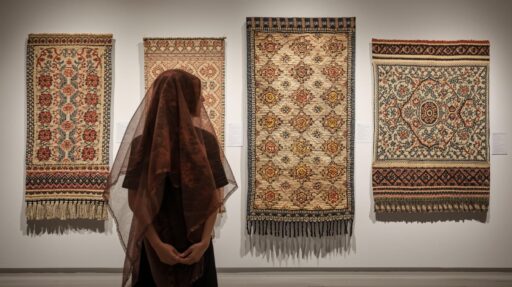
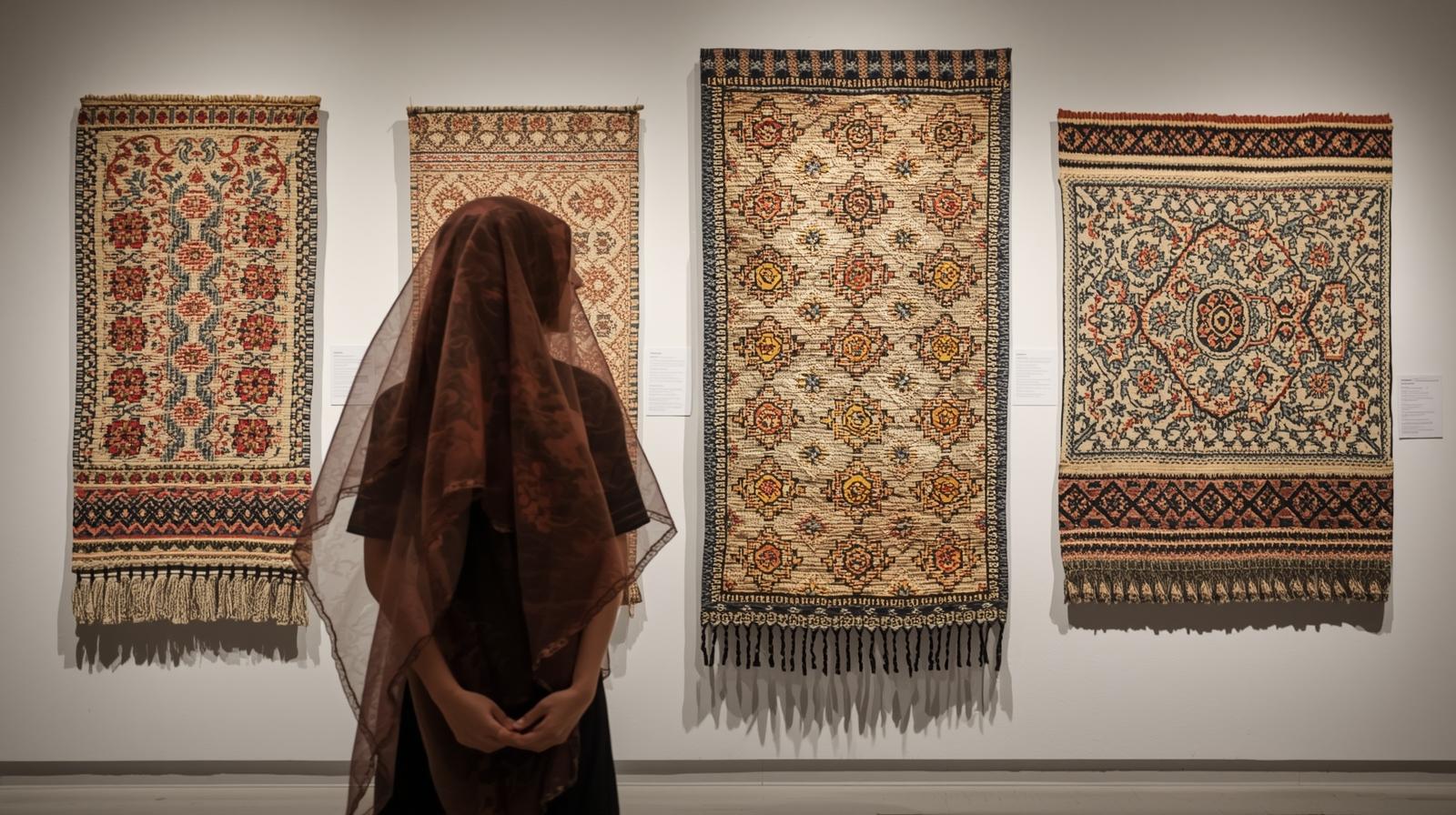
The bold, geometric patterns of Al Sadu—the traditional weaving craft of Bedouin women—are more than just decorative motifs; they are a visual language encoding the desert environment, tribal identity, and a nomadic worldview. In contemporary Emirati art, these ancient patterns have undergone a dramatic transformation. They have been liberated from the loom to find new life on canvases, in sculptures, and in digital installations. This artistic dialogue with Sadu is not a simple act of appropriation; it is a profound investigation into heritage, a way for contemporary artists to connect with a matriarchal lineage and explore the very foundations of Emirati aesthetic identity in a modern context.
The Language of the Loom: Decoding Sadu’s Symbolism
To understand its contemporary influence, one must first understand Sadu’s native language. Woven on a ground loom using sheep, goat, and camel wool, Sadu patterns are characterized by their rhythmic, symmetrical geometries. Common motifs include al-mtair (the arrow), symbolizing strength and purpose; al-hayat (the snake), a symbol of life and healing; and al-areej (the zigzag), representing water or lightning. The color palette was traditionally derived from natural dyes: deep reds from madder, blacks from acacia, and browns from walnut. Each pattern and color told a story of the weaver’s surroundings, beliefs, and social status, making the textile a portable and functional archive of Bedouin culture.
From Functional Craft to Conceptual Art: The Paradigm Shift
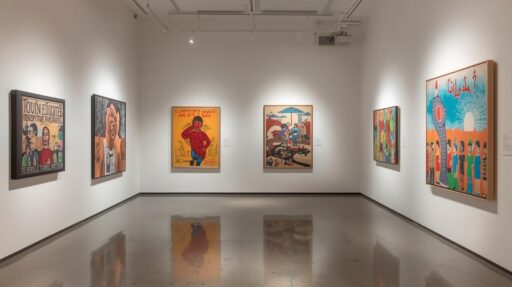
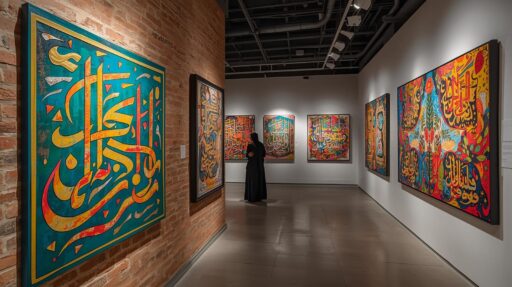
The journey of Sadu from tent wall to gallery wall marks a significant paradigm shift. In its traditional context, its beauty was inseparable from its utility. Contemporary artists, however, deconstruct these patterns to explore their conceptual potential. They ask: What does it mean to take a symbol of a nomadic, collective female culture and re-present it in the fixed, individualistic context of a painting or sculpture? This act itself is a commentary on the massive social and economic changes the UAE has undergone. The pattern remains, but its material, scale, and context are radically altered, forcing a re-evaluation of its meaning.
Modern Masters of the Motif: Artists Leading the Dialogue
Several prominent Emirati artists have made Sadu a central pillar of their work. Dr. Najat Makki uses a pointillist technique to recreate the effect of woven threads, building up her luminous, abstract compositions with thousands of dots of paint that vibrate with the energy of a Sadu textile. Eman Al Hashemi uses modern materials like vinyl and Perspex to create large-scale installations that mimic the structural patterns of weaving, exploring themes of interconnectedness and the fabric of society. Alia Lootah integrates Sadu geometries into her minimalist abstract paintings, reducing the forms to their essential elements to explore ideas of order, rhythm, and cultural memory. Each of these artists engages with the tradition not to replicate it, but to have a conversation with it.
A Bridge to the Past: Reclaiming a Matriarchal Heritage
For many contemporary female artists, in particular, engaging with Sadu is a powerful way to reclaim and honor a matriarchal lineage. The traditional Sadu loom was a space of female solidarity, storytelling, and economic contribution. By referencing it in their work, contemporary artists position themselves as the inheritors of this creative legacy. They are, in effect, stating that the avant-garde of Emirati art is directly connected to the ingenuity of their grandmothers. This creates a powerful sense of continuity and challenges any simplistic division between “traditional” and “contemporary” art, showing instead that they exist on a vibrant continuum.
Conclusion: Patterns with a Pulse
The influence of Sadu weaving in contemporary Emirati art is a testament to the enduring power of its visual language. It proves that heritage is not a static artifact to be preserved under glass, but a living, breathing source of inspiration that can fuel new forms of expression. By translating the language of the loom onto the canvas and into the gallery, artists are doing more than creating beautiful works; they are weaving the very story of their culture’s evolution. They ensure that the rhythmic, geometric heartbeat of the desert, once expressed in wool and thread, continues to pulse through the paint, pixels, and sculptures of the modern UAE.