

Introduction
The story of contemporary Emirati art is one of remarkable transformation, a journey that began not in formal studios but in the intricate scripts of Quranic verses and the functional beauty of traditional crafts. The first generation of modern Emirati artists, emerging in the 1960s and 70s, were true pioneers. They stood at a crossroads, armed with a deep cultural heritage but facing a rapidly modernizing world with no established local art scene. These artists undertook the monumental task of forging a new visual language, one that could bridge the vast gap between their ancestral past and an uncertain future. This article explores the lives and works of these foundational figures who planted the seeds for the vibrant, world-class art ecosystem that thrives in the UAE today.
The Foundation: Calligraphy as a First Aesthetic Language
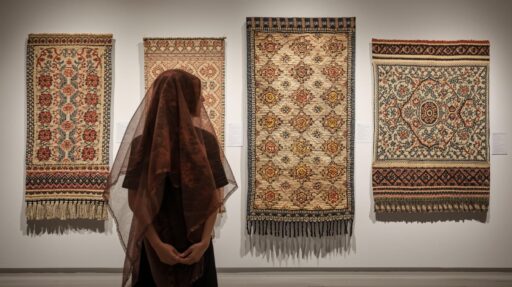
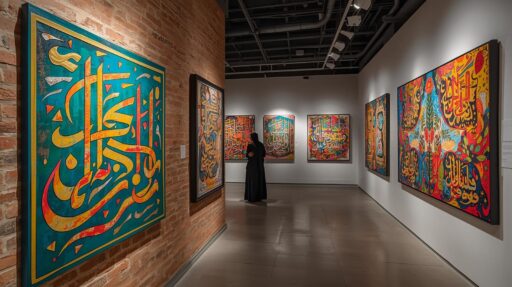
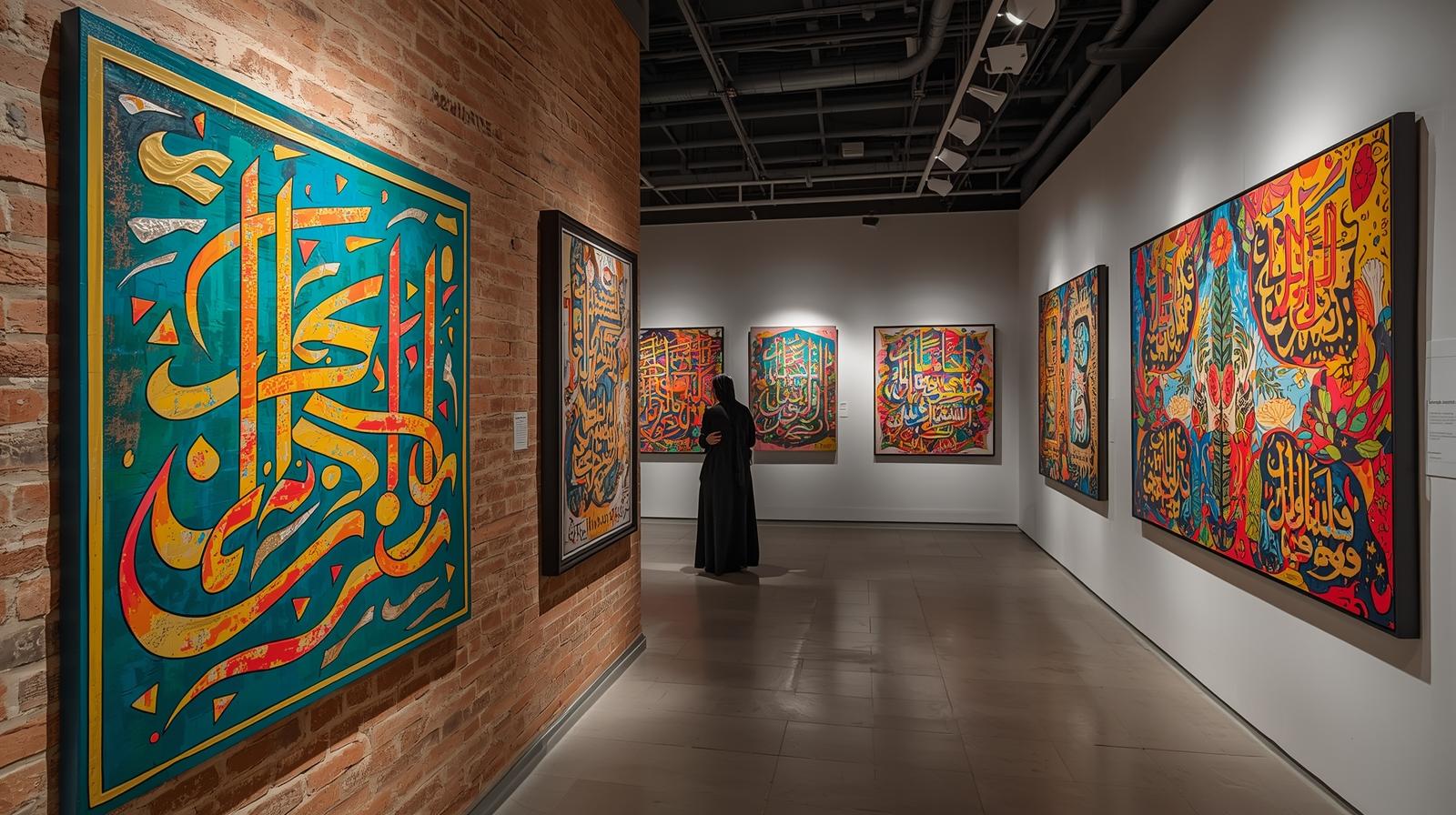
For centuries, the primary visual art form in the region was calligraphy. The elegant, disciplined practice of writing Arabic script was a spiritual and artistic pursuit, adorning mosques, manuscripts, and personal objects. This tradition provided the first aesthetic education for many early artists. They learned balance, composition, and a reverence for line and form through the holy text. When they began to explore modern painting, this training was not discarded but rather translated. The flowing, abstract qualities of Arabic letters became a foundational element in their work, allowing them to create art that was simultaneously avant-garde and deeply rooted in their cultural identity.
The First Masters: Abdul Qader Al Rais and The Poetics of Nostalgia
Often called the “Godfather of Emirati Art,” Abdul Qader Al Rais (born 1951) is a quintessential figure of this pioneering generation. A largely self-taught prodigy, he first gained recognition for his hyper-realistic depictions of old Emirati life—wind towers, narrow alleys, and traditional majlis scenes. These works, executed with photographic precision, were not mere documentation; they were acts of preservation and poetic nostalgia, capturing a vanishing world with profound tenderness. As his career evolved, Al Rais made a dramatic and influential shift towards abstraction, developing a unique style where he deconstructed Arabic calligraphy and architectural forms into geometric, mosaic-like compositions. His career arc itself mirrors the journey of Emirati art: from figurative memory to a confident, abstract identity.
Obaid Suroor: The Social Chronicler and Symbolist
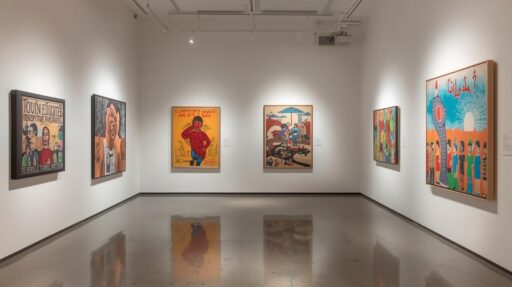
Another pivotal pioneer is Obaid Suroor (born 1942), whose work offers a more narrative and symbolic approach to the experience of modernization. Suroor’s paintings often feature stylized human figures placed within compositions that speak to social change, memory, and the human condition. He developed a personal visual lexicon, using symbols like the horse, the palm tree, and the female form to explore themes of freedom, heritage, and resilience. His palette, often rich with earthy tones contrasted with bold colors, reflects the desert landscape and the vibrant new urban reality. Suroor’s work demonstrated that Emirati art could be both personal and philosophical, engaging with universal themes through a distinctly local lens.
The Challenge of a New Frontier: Lack of Infrastructure and Recognition
The path for these pioneers was not easy. In the early days, there were no art galleries, no commercial market, and few venues for exhibition. Artists worked in isolation, often sharing their work only with close circles. The first major platform for their art was the annual “Al Ain Cultural Club” exhibition, which became a crucial meeting point. They faced a society unsure of how to value non-functional art, and a global art world that had yet to look towards the Arabian Gulf. Their perseverance was an act of faith—a belief that their perspective was valuable and deserved a place on the canvas.
Conclusion: Laying the Groundwork for a Renaissance
The legacy of the pioneering generation is immeasurable. Abdul Qader Al Rais, Obaid Suroor, and their contemporaries did more than create beautiful objects; they established the very possibility of a professional artistic career in the UAE. They proved that local themes and traditional aesthetics could be the source of powerful contemporary expression. By navigating the tension between heritage and modernity, they created a foundational dialogue that continues to inspire Emirati artists today. They were the architects of a cultural bridge, and across the foundation they built, the thriving, dynamic art of 21st-century UAE now confidently marches.