

Introduction
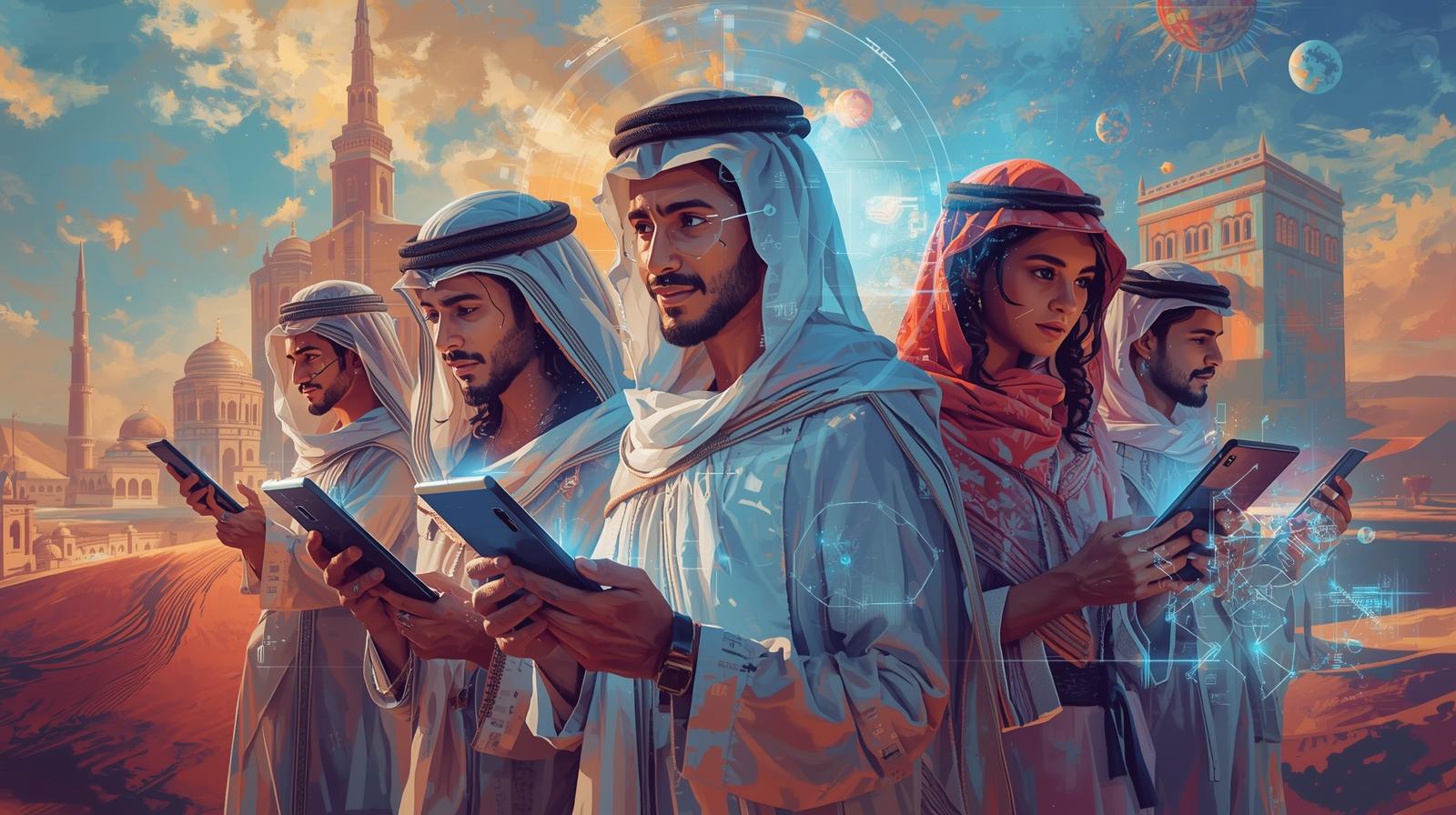
A new generation of artists in the UAE is forging a unique identity at the intersection of ancient heritage and cutting-edge technology. Dubbed “Digital Bedouins,” these creators use the tools of the 21st century—virtual reality, artificial intelligence, coding, and digital animation—to explore themes of memory, identity, and the rapid transformation of their environment. Their work challenges the very definition of art in the region, moving beyond the physical canvas to create immersive, interactive, and often deeply personal experiences that re-contextualize Emirati culture for the digital age. They are nomads in a new landscape, the vast and uncharted territory of cyberspace.
The Tools of the New Frontier: From Sand to Silicon
The Digital Bedouin’s toolkit is as diverse as their subject matter. They are masters of software like Unity and Unreal Engine for building 3D worlds, programmers who write custom code for generative art, and animators who bring folktales to life with CGI. Mohammed Al Ahmed, for instance, uses 3D modeling and animation to reimagine Emirati folklore, creating surreal, dreamlike narratives that blend the familiar with the fantastical. Rasha Al Maktoum explores data visualization, turning information about urban growth or social patterns into stunning, abstract digital artworks. Their medium is inherently fluid, mutable, and global, allowing them to share their uniquely local perspective with a worldwide audience instantly.
Themes of Transition: Archiving a Changing Landscape
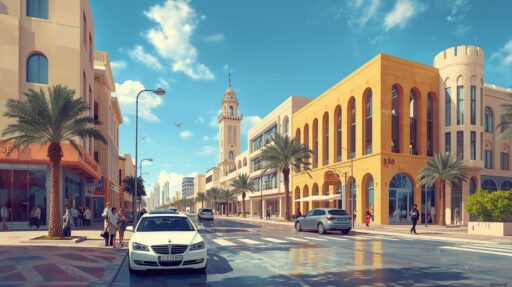
A central preoccupation for many Digital Bedouins is the theme of transition. Having witnessed the physical landscape of their childhood transform at an unprecedented rate, they use digital art as a form of archival and critique. Some create intricate 3D models of demolished old neighborhoods, preserving them in virtual space as digital monuments. Others use satellite imagery and GIS data to create artworks that visualize urban sprawl and the changing coastline. Their work often carries a poignant sense of loss but also a fascination with the process of change itself, documenting the journey from a pastoral past to a hyper-urban present.
Reclaiming Narrative: Challenging Stereotypes with New Media
Digital media provides these artists with a powerful platform to reclaim the narrative about the Gulf region from Western media stereotypes. Instead of the clichéd images of camels and oil sheikhs, they present complex, nuanced, and often humorous self-portraits. An artist might create a video game where the player navigates the social codes of a modern Emirati majlis, or an AI-generated portrait that questions notions of national identity. By controlling the medium and the message, they bypass traditional gatekeepers and engage in a direct, global dialogue, presenting an authentic and multifaceted view of their culture that is often invisible to the outside world.
The Exhibition Space: From Galleries to the Metaverse
The work of Digital Bedouins also challenges traditional notions of the exhibition space. While their work can be shown on screens in physical galleries, its natural habitat is online. They exhibit in virtual reality galleries, release their work as NFTs (Non-Fungible Tokens) on blockchain platforms, and create augmented reality (AR) experiences that can be viewed through a smartphone camera in a public square. This dematerialization of the art object makes it more accessible and allows for novel forms of interaction and ownership. It signifies a fundamental shift in how art is consumed and collected in the region, aligning with the UAE’s forward-looking, tech-savvy national identity.
Conclusion: The Vanguard of a Cultural Shift
The rise of the Digital Bedouin signals a profound cultural shift within the UAE’s art scene. This generation is no longer just catching up with Western art movements; it is pioneering its own path at the forefront of global digital culture. They are the vanguard, proving that the values of the Bedouin—adaptability, resilience, and deep knowledge of one’s environment—are perfectly suited to navigating the digital frontier. Their work ensures that as the UAE continues to evolve, its artistic voice will not only remain relevant but will actively shape the global conversation about the future of art, technology, and identity.