

Introduction
The transformation of the UAE into a global art capital did not happen by accident; it was the result of visionary cultural policy and bold entrepreneurial spirit. This evolution is physically embodied in the rise of dedicated art hubs, two of the most prominent being Dubai’s Alserkal Avenue and Abu Dhabi’s Mamsha Al Saadiyat. These two districts, though distinct in character and origin, represent the twin engines of the nation’s contemporary art scene. One is a grassroots, industrial complex turned creative free zone, and the other is a meticulously planned, world-class cultural destination. Together, they illustrate the multifaceted strategy that has positioned the UAE at the forefront of the international art world.
Alserkal Avenue: The Grassroots Revolution
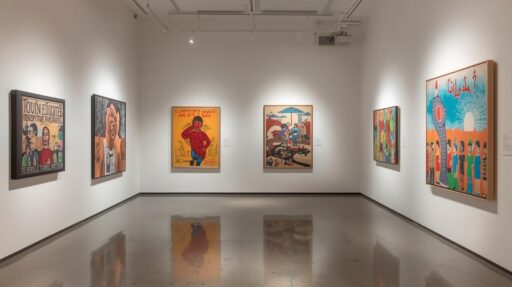
Alserkal Avenue’s story is one of organic, bottom-up growth. What began in 2007 as a single gallery (The Third Line) moving into a warehouse in the industrial Al Quoz district has blossomed into the region’s most vibrant contemporary arts community. Its founder, Abdelmonem Bin Eisa Alserkal, recognized the need for affordable, flexible space for creative enterprises. The model was simple: transform concrete warehouses into galleries, studios, theaters, and cafes. The result is a raw, energetic environment that pulses with creativity. Unlike a sterile white-cube museum, Alserkal Avenue retains its industrial grit, encouraging experimentation and cutting-edge work. It is a place of discovery, where visitors can wander from a gallery showcasing established international artists to a studio where a young Emirati designer is prototyping their first collection.
Mamsha Al Saadiyat: The Curated Cultural District
In contrast, Mamsha Al Saadiyat (“The Walkway of Saadiyat”) is the public face of Abu Dhabi’s grand, top-down cultural vision. It is the waterfront promenade connecting the already-iconic Louvre Abu Dhabi with the forthcoming Guggenheim Abu Dhabi and the Zayed National Museum. This is a master-planned district of breathtaking architectural ambition, designed to be a “museum island” on a global scale. Mamsha Al Saadiyat offers a polished, monumental experience. It is about encountering art and architecture of the highest international caliber in a stunning, curated setting. Its presence announces the UAE’s ambition not just to participate in the global art conversation, but to host it on its own terms, within institutions that rival any in the world.
A Symbiotic Ecosystem: How the Hubs Coexist and Thrive
Rather than competing, Alserkal Avenue and Mamsha Al Saadiyat create a powerful and symbiotic ecosystem. Alserkal serves as the incubator, the testing ground for new ideas and emerging talent. It is the heart of the commercial gallery scene and the non-institutional, project-based work. Mamsha Al Saadiyat, with its monumental museums, provides the institutional validation and global platform. An artist might first gain recognition in the galleries of Alserkal Avenue before their work is acquired for a major exhibition at the Louvre Abu Dhabi. This pipeline ensures that local talent is nurtured and then elevated to an international stage, creating a sustainable and virtuous cycle for the entire art scene.
Beyond Art: Creating Community and Cultural Consumption
Both hubs understand that a vibrant art scene is about more than just viewing art; it’s about creating a community and a lifestyle. Alserkal Avenue is a social destination, with its coffee roasteries, concept stores, and community events like workshops and film screenings. It has made contemporary art accessible and social. Similarly, Mamsha Al Saadiyat, with its luxury residences, hotels, and retail spaces, is designed as a place where people can live, work, and engage with culture daily. These hubs have successfully shifted art from the periphery to the center of urban life, fostering a new culture of “cultural consumption” among residents and visitors alike.
Conclusion: The Blueprint for a Global Art Destination
The rise of Alserkal Avenue and Mamsha Al Saadiyat provides a compelling blueprint for building a world-class cultural sector. It demonstrates the need for both grassroots energy and institutional might, for both raw experimentation and polished presentation. Dubai’s hub offers the dynamism and flexibility of the private sector, while Abu Dhabi’s provides the long-term vision and architectural gravitas of public-cultural investment. Together, they have created a magnetic force, attracting artists, curators, collectors, and tourists from around the globe. They are not just places to see art; they are the active, pulsating centers where the future of art in the Middle East is being written.